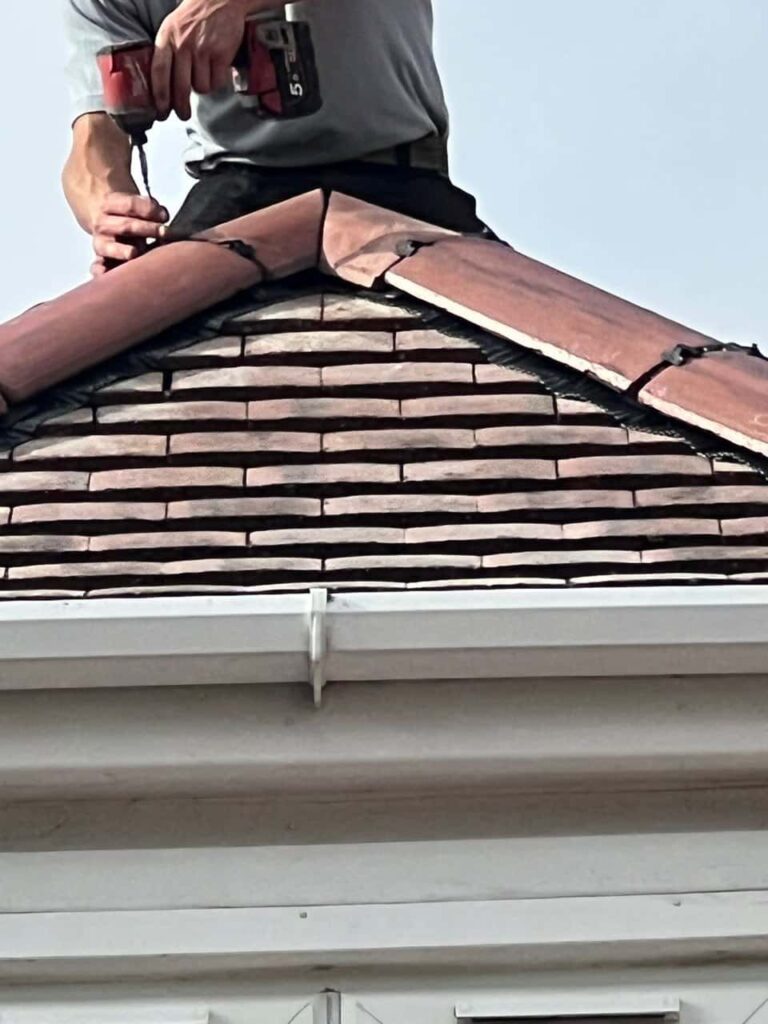
Among the many roofing styles found across the UK, hip roofs stand out for their elegant design, durability, and excellent weather resistance. Commonly seen on modern homes as well as traditional properties, the hip roof offers both aesthetic appeal and structural strength. However, its distinctive shape also means it requires a particular approach to installation, maintenance, and repair.
At Portchester Roofing Repairs, we frequently work with hip roof systems throughout Portchester and Hampshire, helping homeowners understand their structure, benefits, and care requirements. Knowing what makes a hip roof unique allows you to appreciate its design advantages — and recognise when it needs professional attention.
What Is a Hip Roof?
A hip roof is characterised by its four sloping sides that meet at a central ridge or peak. Unlike gable roofs, which have two sloped sides and vertical end walls, a hip roof’s slopes extend on all sides, creating a pyramid-like or rectangular shape depending on the layout of the building.
There are several variations of hip roofs commonly seen across the UK:
- Simple hip roof: Four sides that slope down to the walls, meeting at a ridge on rectangular structures.
- Pyramid hip roof: All sides slope evenly towards a single peak — ideal for square buildings.
- Cross-hipped roof: Combines two hip roofs joined at a right angle, often used on larger homes.
- Half-hip (Dutch gable) roof: Features small gable sections at the ends for a blend of both designs.
Each type provides a smooth, aerodynamic surface that performs well in the UK’s varied weather conditions.
Why Homeowners Choose Hip Roofs
The hip roof is not just visually appealing — it also provides significant structural and performance benefits.
1. Exceptional Wind and Weather Resistance
Because all four sides slope downwards, hip roofs offer less wind resistance than gable or flat designs. This makes them particularly suitable for areas that experience strong coastal winds — such as Portchester and other parts of Hampshire. Their shape helps distribute pressure evenly, reducing the risk of tile displacement or uplift during storms.
2. Excellent Drainage
The sloping sides naturally encourage rainwater and snow to slide off the surface, reducing the chance of standing water or leaks. Properly installed guttering and valleys complement this design to keep water flowing freely away from the roof and structure.
3. Added Structural Stability
Hip roofs have internal bracing that strengthens the entire structure. The inward slope of each side provides natural reinforcement, helping the roof resist movement or sagging over time. This makes it a long-lasting option for residential properties.
4. Stylish Architectural Appeal
From bungalows to modern detached homes, hip roofs enhance the visual balance of a property. Their symmetrical shape gives a clean, uniform appearance, and when paired with quality tiles or slates, they create a premium finish that complements most architectural styles.
Key Design Elements of a Hip Roof
Every hip roof is a blend of aesthetics and engineering. Understanding its key features helps homeowners appreciate the craftsmanship that goes into its construction and upkeep.
The Ridge and Hips
At the top of the roof, the ridge is where the slopes meet. The hips are the external angles formed where two roof planes intersect. These hips are critical for water runoff and structural strength — but also vulnerable points if not properly sealed or maintained.
Rafters and Trusses
Hip roofs rely on carefully engineered rafters or trusses to support the load evenly. These components require precise cutting and alignment during installation to ensure that all sides meet at the correct pitch.
Underlay and Ventilation
Because hip roofs have more surface area than gable designs, correct underlay and ventilation are vital. Good airflow prevents moisture build-up in the roof space, reducing the risk of condensation and timber decay.
Flashing and Valleys
Where two slopes meet, valleys are created. These areas collect and channel rainwater, making them critical to waterproofing. Proper lead flashing, sealing, and ongoing maintenance are essential to prevent leaks along these joints.
Common Issues Found in Hip Roofs
Although hip roofs are durable, no roofing system is immune to wear and tear. Some of the most common issues we encounter at Portchester Roofing Repairs include:
- Cracked or slipped ridge tiles – due to weathering or strong winds.
- Damaged lead flashing – especially along valleys or chimney intersections.
- Moss accumulation – which can trap moisture and lead to tile displacement.
- Blocked gutters or valleys – causing water overflow and damp patches.
- Age-related wear on underlay – leading to leaks that spread beneath the surface.
Early detection and timely maintenance can prevent these small issues from developing into larger structural problems.
Maintaining a Hip Roof for Long-Term Performance
Regular upkeep plays a key role in keeping hip roofs in excellent condition. Here are some practical maintenance tips for homeowners:
- Schedule annual roof inspections to check tiles, flashing, and ridge integrity.
- Keep gutters clear of leaves and debris to prevent blockages.
- Trim nearby trees to reduce the accumulation of moss and branches on the roof.
- Check ridge and hip joints for cracks or movement after storms.
- Ensure proper ventilation within the loft space to avoid condensation build-up.
Engaging professionals such as Portchester Roofing Repairs ensures that any maintenance work is carried out safely and effectively, preserving both the appearance and strength of your roof.
Why Expertise Matters for Hip Roof Repairs
Because hip roofs have a more complex structure than standard gable roofs, their repairs require precise workmanship. Aligning and sealing the intersecting roof planes demands experience and technical skill.
At Portchester Roofing Repairs, we use a detailed inspection process to assess every aspect of your hip roof — from tile condition to underlay performance. Our team understands how to address both cosmetic and structural issues while maintaining the roof’s integrity and symmetry.
Conclusion
The hip roof remains one of the most practical and visually striking roofing designs in the UK, combining strength, stability, and timeless style. However, its intricate structure also means it requires careful maintenance and professional attention to perform at its best.
Portchester Roofing Repairs provides expert hip roof inspections, maintenance, and repairs throughout Portchester and Hampshire. Whether your roof needs minor upkeep or a detailed assessment, our experienced team ensures lasting results that keep your home safe, attractive, and weatherproof for years to come.
Call us on: 023 8235 6170
Click here to find out more about Portchester Roofing Repairs
Click here to complete our contact form and see how we can help with your roofing needs.