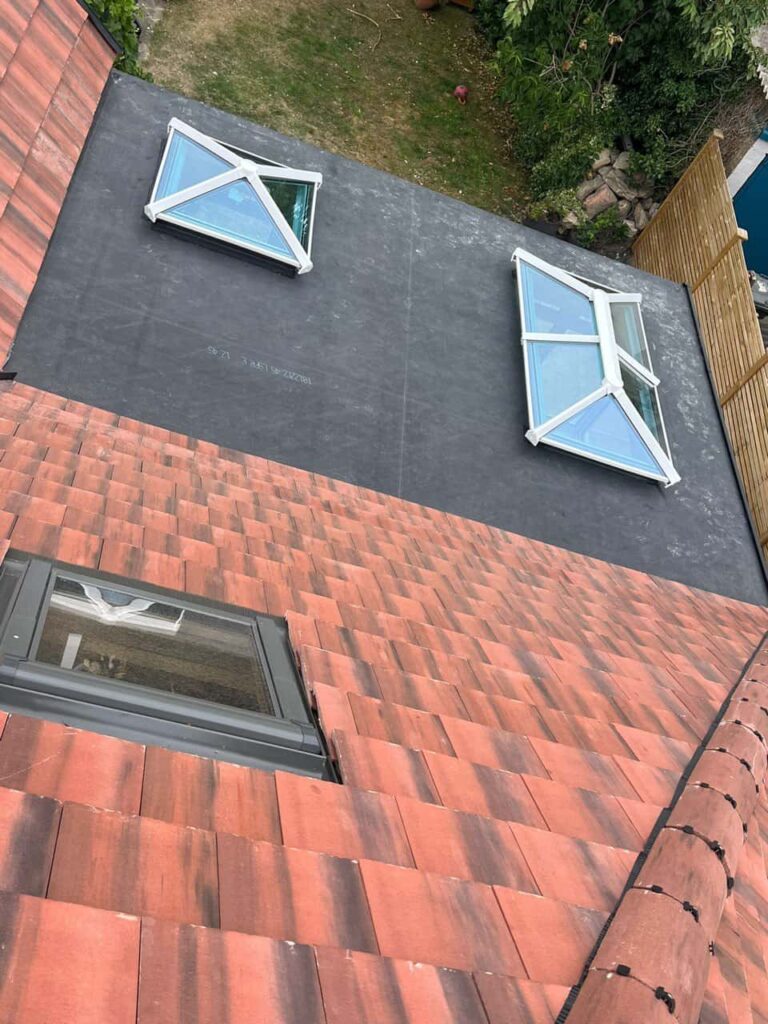
When water marks appear on a ceiling or wall, the immediate response is often to repair the visible damage. Stained plaster can be redecorated, damp areas can be dried and temporary sealants can be applied around an assumed entry point. However, these actions may only conceal the symptoms if the defect allowing water into the roof has not been identified.
A dependable roof leak repair must address the original point of entry and any damage caused along the route taken by the water. This requires careful investigation because the indoor stain is not always positioned directly below the external defect.
For property owners in Portchester, Hampshire, understanding the difference between treating a symptom and repairing its cause can help prevent damp patches from repeatedly returning.
How Can You Tell Whether a Roof Leak Has Been Properly Repaired?
A successful repair begins with accurate diagnosis. The roof must be considered as a complete system, including its covering, junctions, drainage details and underlying materials.
The Visible Damp Patch May Not Reveal the Source
Rainwater can enter through a small defect before travelling beneath tiles, along underlay or across roof timbers. It may then emerge indoors some distance from the original opening.
This means that applying sealant above a ceiling stain does not guarantee that the correct area has been treated. The roof’s pitch, internal structure and direction of water travel all need to be considered when tracing the leak.
Redecorating Does Not Repair the Roof
Painting over a stain may improve the appearance of a room, but it does not prevent further water ingress. Unless the roofing defect is resolved, moisture may continue entering the structure and the mark can return after subsequent rainfall.
Interior work should generally wait until the source has been repaired and the affected materials have had sufficient time to dry. Otherwise, ongoing dampness may remain hidden behind the new finish.
Temporary Sealants Can Mask a Larger Defect
Roofing sealants can have a limited role in certain repairs, but applying them indiscriminately may only provide short-term protection. They can deteriorate, separate from surrounding materials or divert water towards another vulnerable point.
Heavy layers of sealant may also make the original defect harder to inspect. A lasting repair should use materials and methods appropriate to the specific roof component rather than relying on a general surface covering.
Replacing One Tile May Not Solve the Entire Problem
A cracked or missing tile is an obvious possible cause of a leak, but the surrounding area should also be examined. Damaged underlay, weakened battens, loose fixings or incorrectly positioned neighbouring tiles may contribute to the problem.
If only the most visible tile is replaced, water may continue entering through a connected defect. Checking the wider section helps establish whether the damage is genuinely isolated.
Flashing and Roof Junctions Require Close Attention
Leaks frequently develop where different parts of a roof meet. Chimneys, valleys, abutments, roof windows and changes in pitch all rely on carefully formed details to control water.
Lead flashing may lift, split or pull away from masonry. Valleys can become obstructed or damaged, while mortar around junctions may deteriorate. Because these areas manage concentrated water flow, a relatively small fault can allow a significant amount of moisture beneath the covering.
Gutters Can Create Roof-Like Symptoms
Not every damp patch is caused by damaged tiles or flashing. Blocked, leaking or poorly aligned gutters can allow water to overflow against external walls or roof edges.
Defective downpipes and outlets may produce similar symptoms. Inspecting the rainwater system prevents unnecessary work to the roof covering when the actual cause lies with drainage.
Condensation Can Be Mistaken for a Leak
Moisture inside a roof space does not always originate from rainfall. Warm, humid air can condense on cold surfaces where ventilation is inadequate.
Condensation may dampen timbers and insulation, sometimes producing marks similar to those caused by a roof leak. The timing and pattern of the moisture can provide useful evidence. Dampness closely associated with rain suggests external water ingress, while more general moisture during colder periods may indicate condensation.
A proper assessment should distinguish between these causes before any repair is recommended.
Signs That Only the Symptoms Have Been Treated
Several patterns may indicate that the underlying fault remains unresolved:
- The stain returns after rain
- Dampness appears beside the previous affected area
- A musty smell continues after redecoration
- The roof space remains wet or discoloured
- Several temporary patches have been applied externally
- Plaster or paint continues to deteriorate
- The problem improves briefly but repeatedly returns
These signs do not necessarily mean that earlier work was ineffective. A separate defect may have developed, or retained moisture may still be drying. Nevertheless, recurring symptoms justify a more detailed inspection.
What a Thorough Roof Leak Inspection Should Consider
Effective diagnosis involves examining both the suspected entry point and the surrounding roof. Relevant areas may include:
- Tiles or slates and their fixings
- Underlay and battens where accessible
- Lead flashing and roof junctions
- Valleys, ridges and verges
- Chimneys and masonry
- Gutters, outlets and downpipes
- The roof space and visible timbers
- The pattern and timing of internal dampness
Combining external and internal evidence helps trace the likely route of the water rather than treating the first visible defect in isolation.
Why Professional Diagnosis Adds Value
Roof leaks can be difficult to locate, especially when several components show signs of age or previous repair. Portchester Roofing Repairs can assess leaking roofs in Portchester, Hampshire, identify the probable source and determine which areas genuinely require attention.
This evidence-based approach helps ensure that repair work addresses the defect allowing water to enter, as well as any connected damage that could affect the roof’s performance.
Conclusion
Covering a ceiling stain, applying temporary sealant or replacing one visible tile may treat the symptoms without resolving the cause of a roof leak. Water can travel through the roof structure, and different problems can create very similar signs indoors.
A thorough inspection is the most reliable way to identify the entry point and plan a suitable repair. If damp marks persist or return at your property in Portchester, Hampshire, contact Portchester Roofing Repairs to arrange a professional roof assessment.
Call us on: 023 8235 6170
Click here to find out more about Portchester Roofing Repairs
Click here to complete our contact form and see how we can help with your roofing needs.